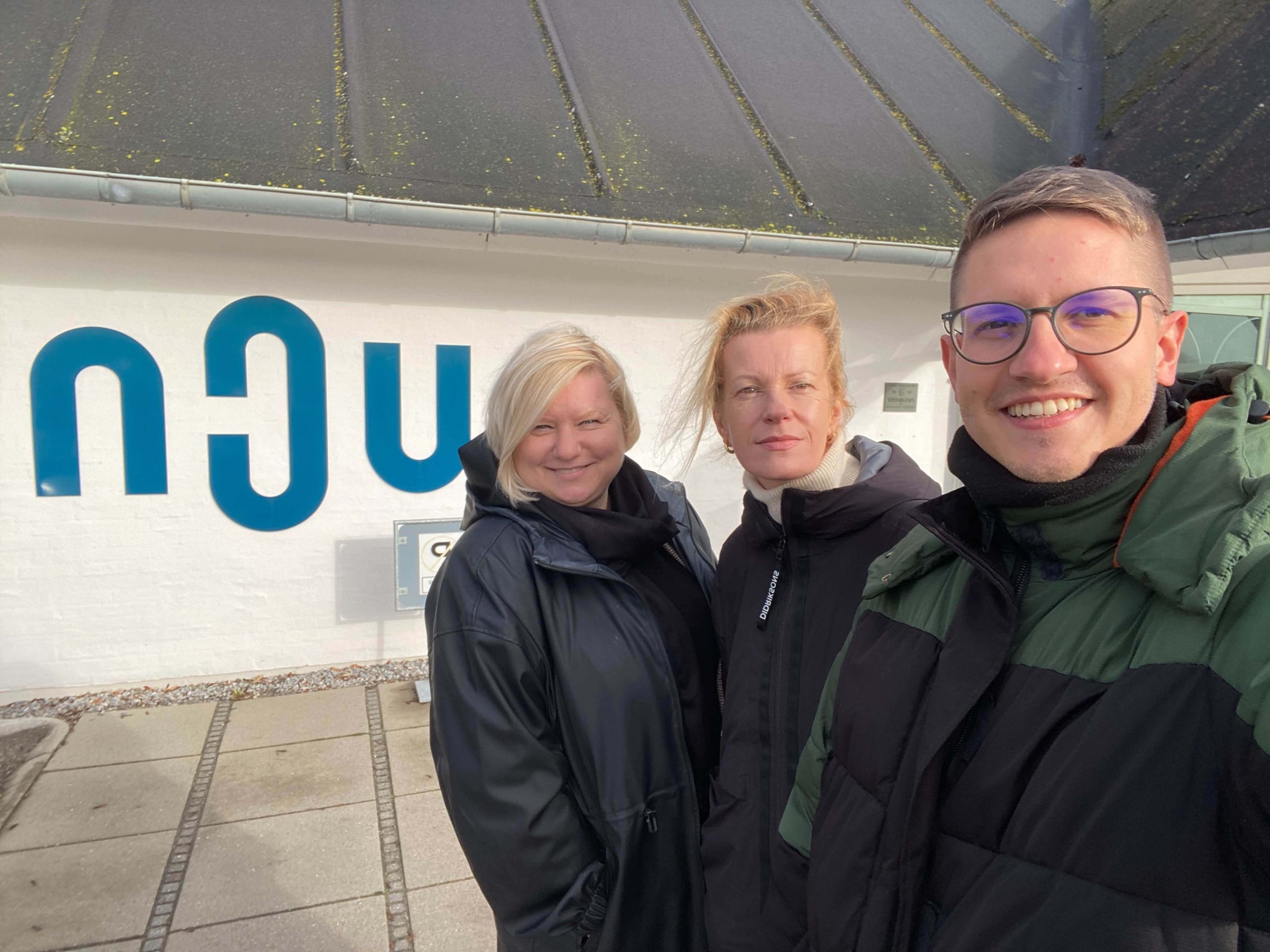
On 22–23 October 2026, representatives from the Faculty of Civil Engineering at Vilnius College visited the University College of Northern Denmark (UCN) in Aalborg, Denmark, as part of the ‘Erasmus+’ mobility programme.
Airida Tylienė, Dean of the Faculty of Civil Engineering, and Associate Professor Dr Marija Vaičienė took part in an ‘Erasmus+’ study visit programme, during which they familiarised themselves with the organisation of studies and applied research activities at UCN, and participated in the HEROES project HRC-5.0 ‘Industry 5.0 for Human-Centred and Resilient Construction Education’ (HRC-5.0).
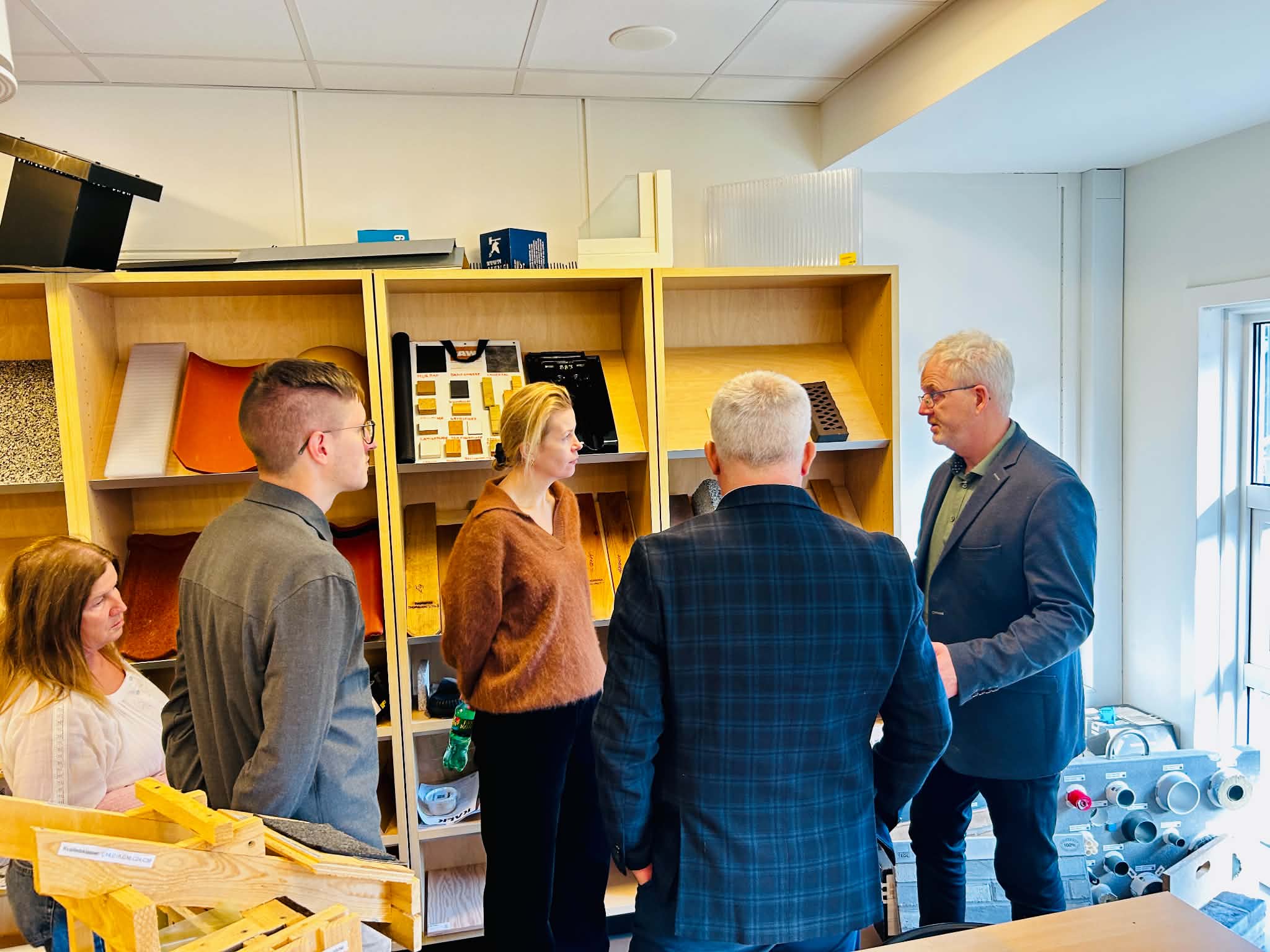
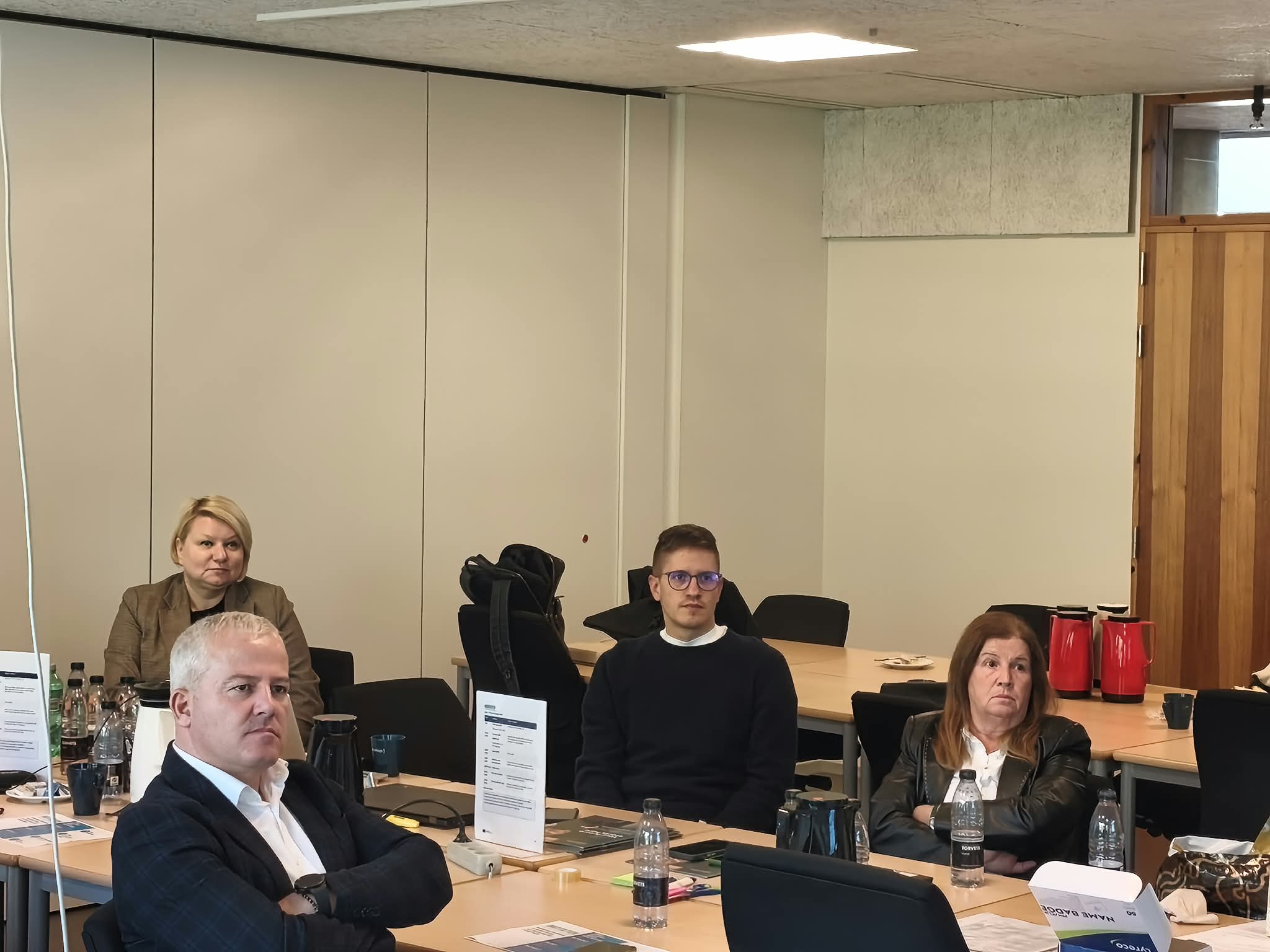
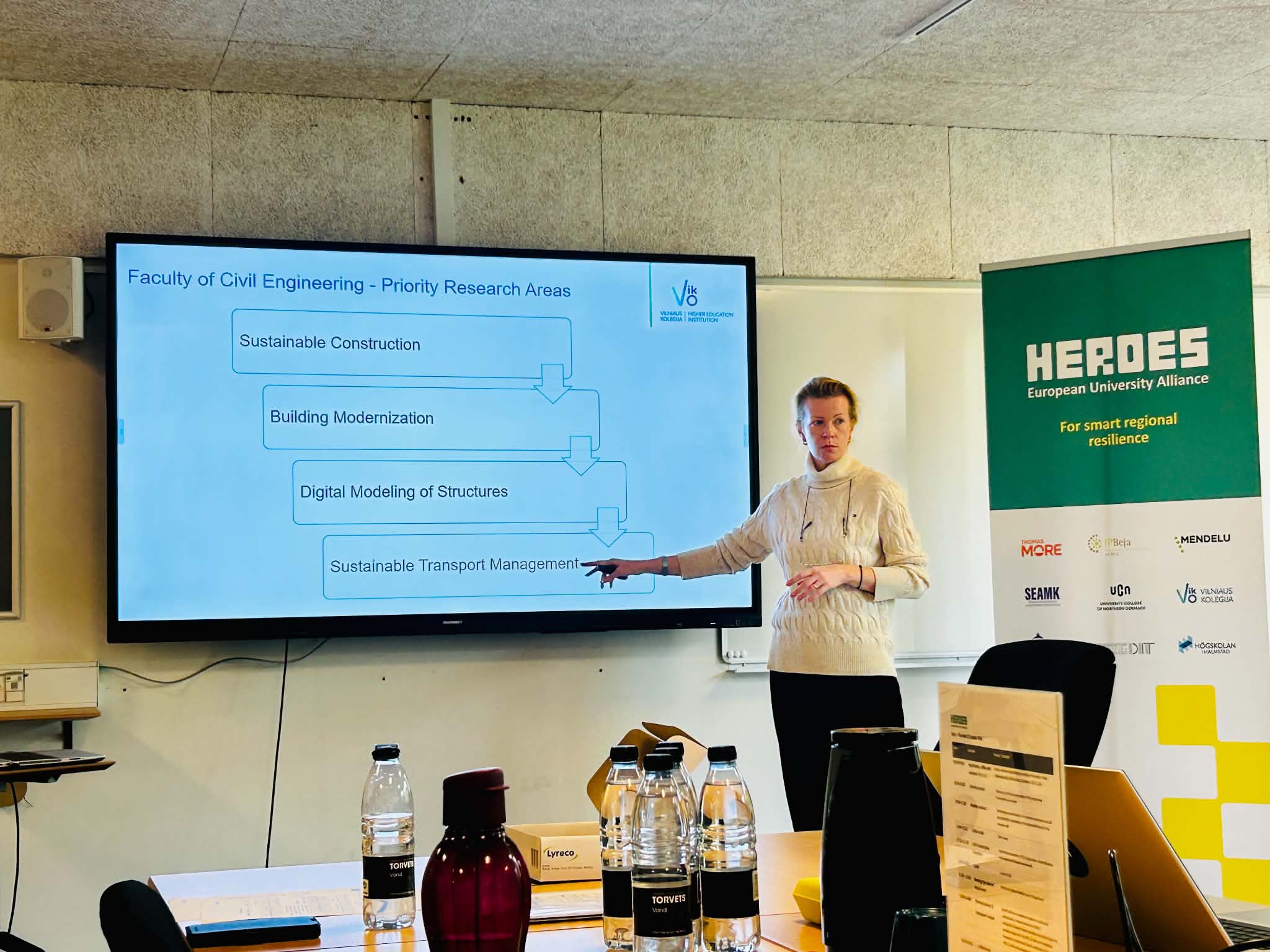
At the meeting, together with partners from the University College of Northern Denmark (UCN; Denmark), the Ismail Qemali University of Vlore (UNIVLORA; Albania) and the Polytechnic Institute of Beja (UPBeja; Portugal), we discussed issues relating to digital construction, the application of ‘Industry 5.0’ principles in the construction sector, and the development of competencies for future construction professionals. The study programmes, research areas and international activities of the Faculty of Civil Engineering at Vilnius College were also presented.
During his ‘Erasmus+’ teaching visit, Associate Professor Dr Robertas Kontrimovičius delivered lectures on the application of BIM technologies, digital construction and ‘Industry 5.0’ (Industry 5.0), and took part in a partners’ meeting for the international project ‘Industry 5.0 for Human-Centred and Resilient Construction Education’ (HEROES).
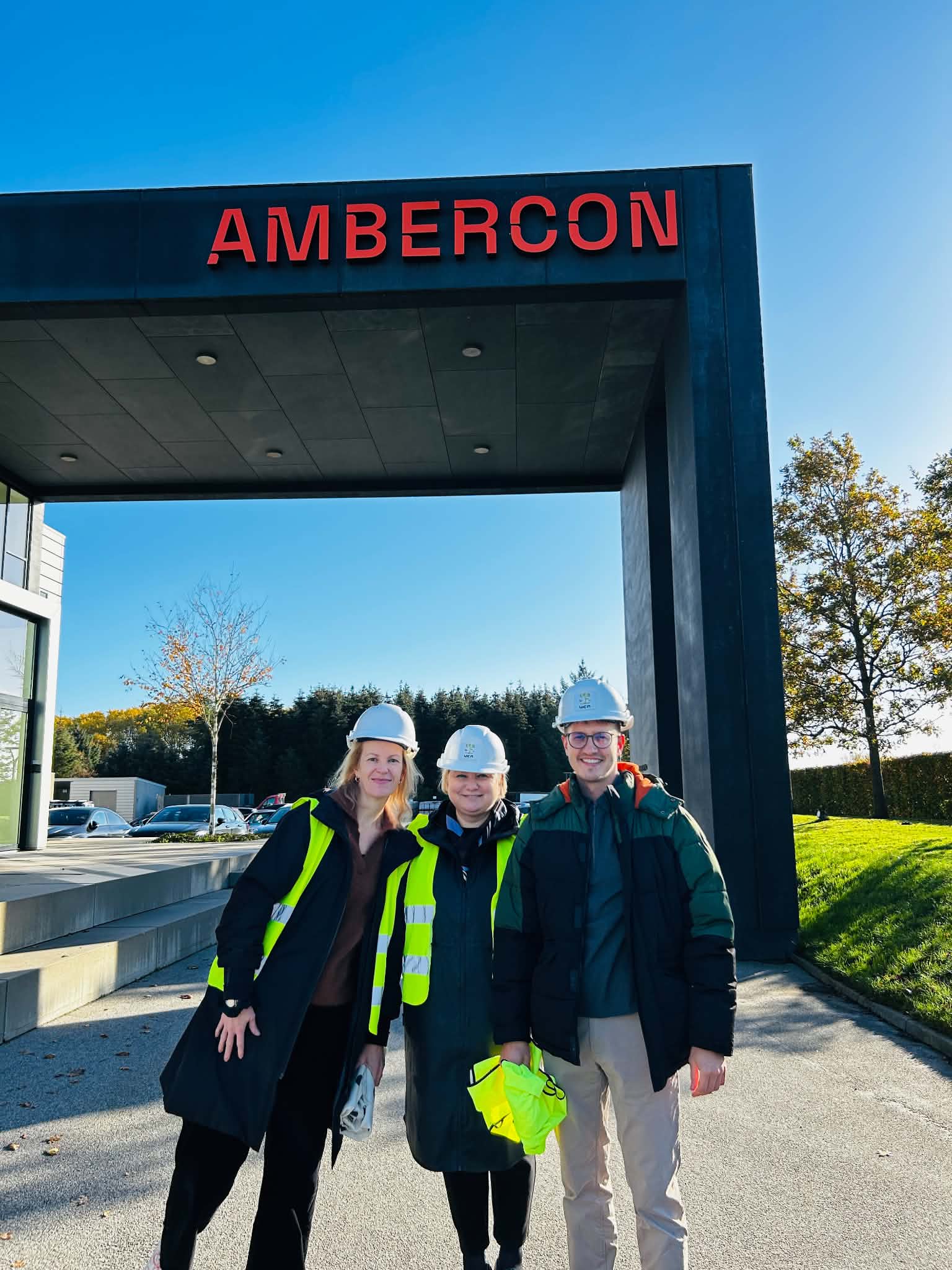
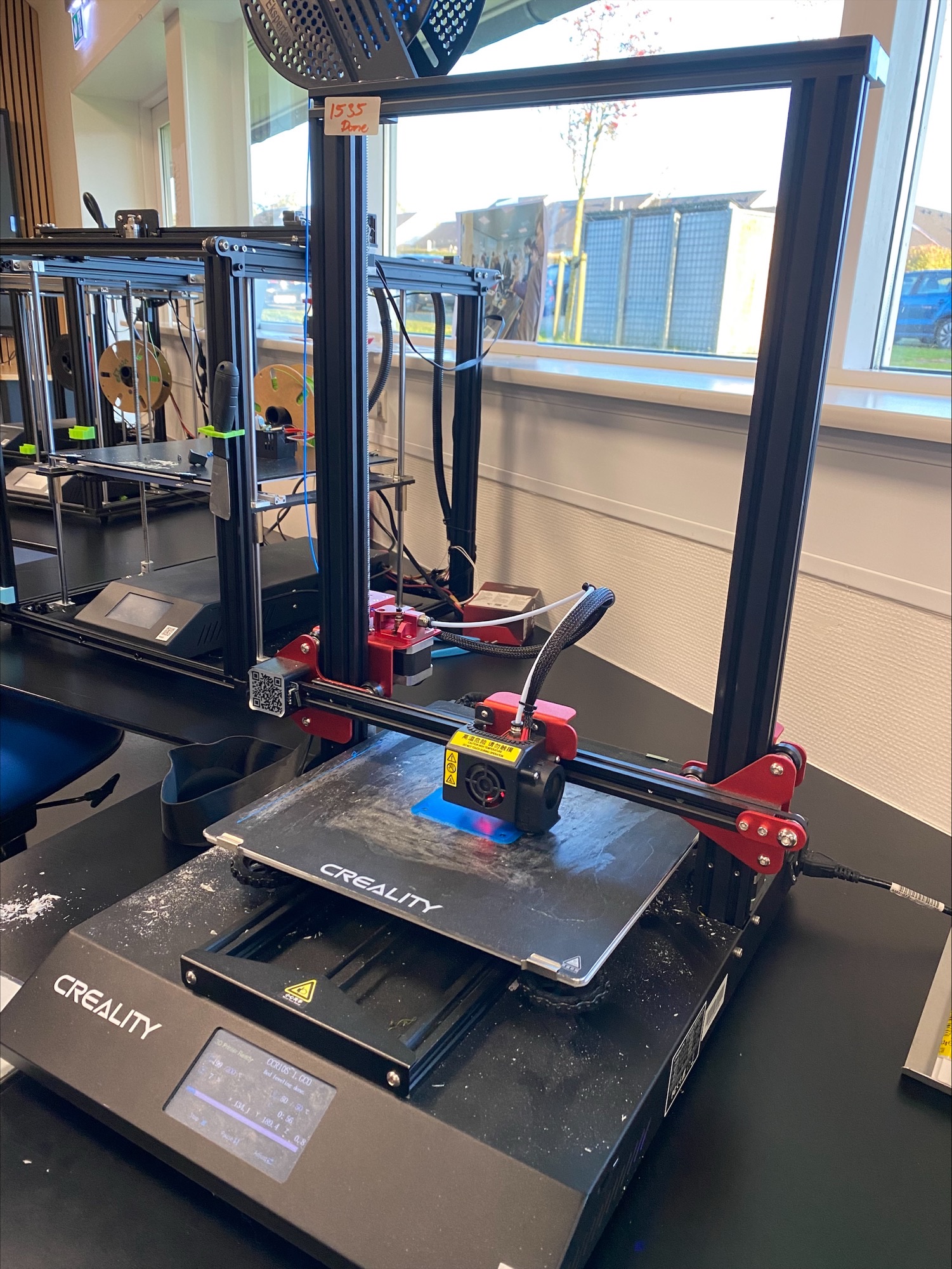
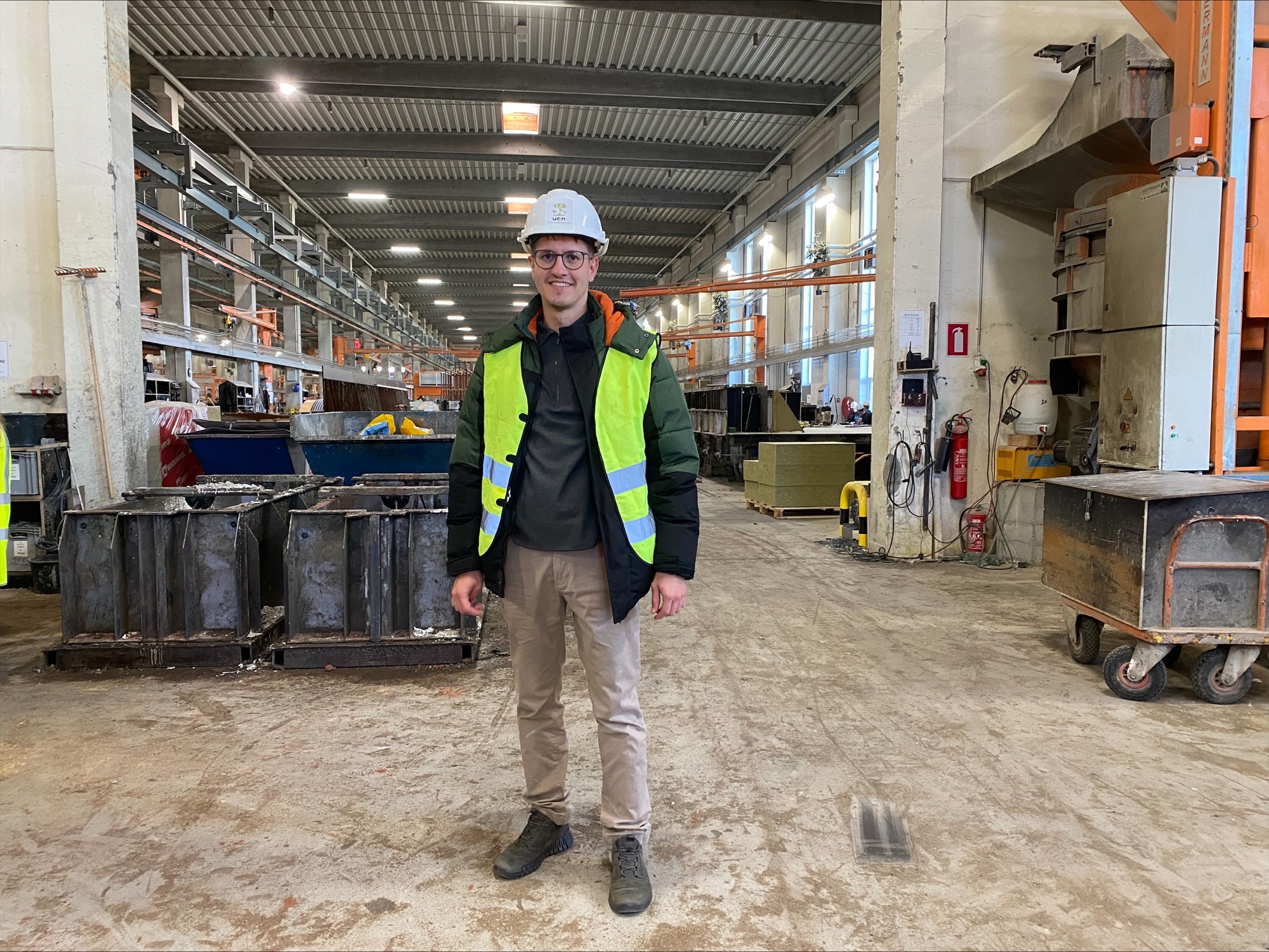
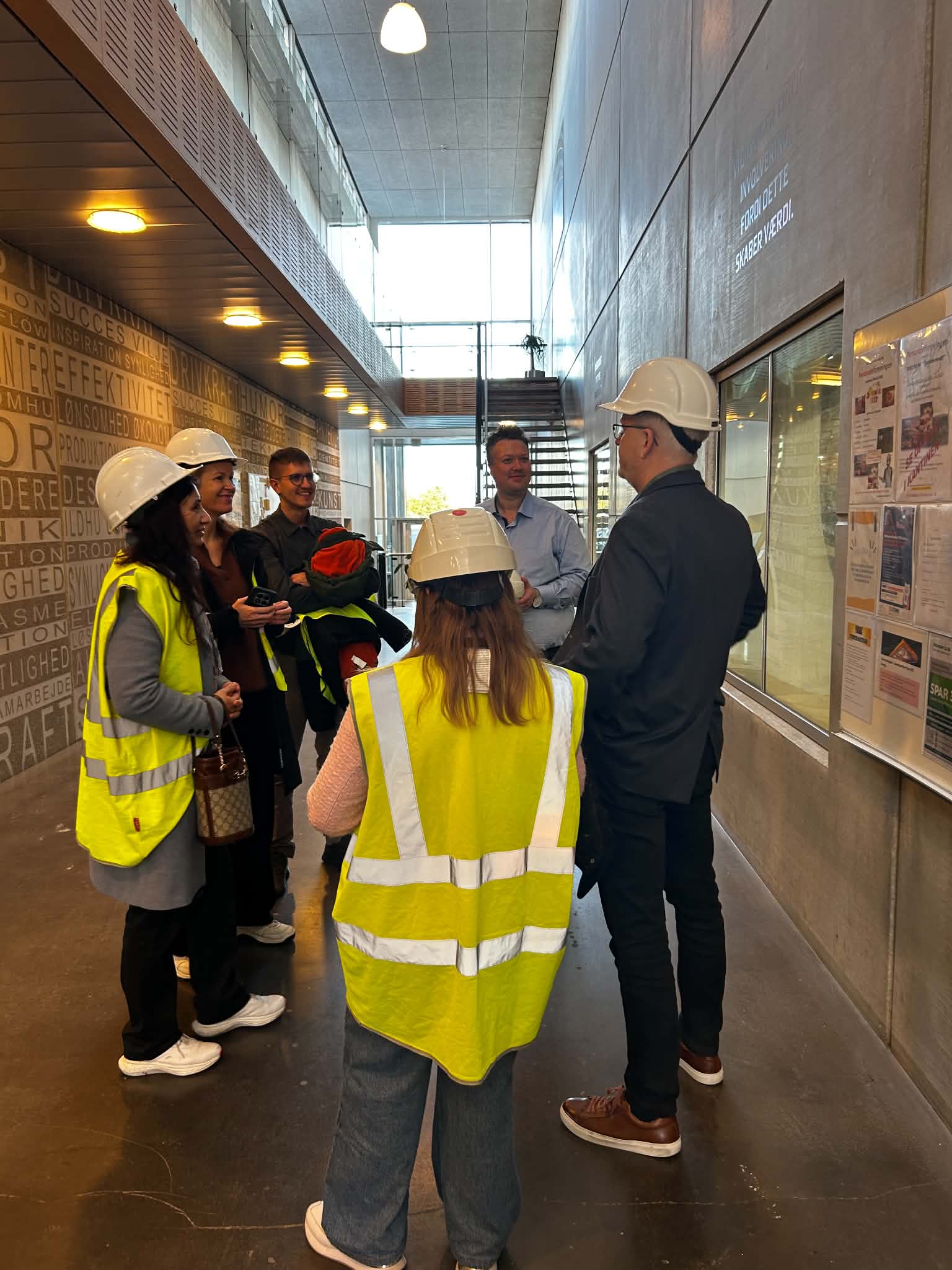
During the visit, representatives from the faculty visited the ‘Ambercon’ prefabricated reinforced concrete structures factory, where they learnt about the design, manufacturing and quality assurance processes, as well as the application of digital technologies. The programme participants also visited UCN’s teaching and communal spaces and laboratories – in one of them, they gained a detailed insight into the robotics, automation and 3D printing equipment used by students for their practical work.
During the meetings, best practice was shared and opportunities for further international cooperation, Erasmus+ Blended Intensive Programmes (BIPs) and new project initiatives were discussed.